
You have the diagnosis. What you don't have is a plan.
Six weeks working through the systems that influence endometriosis symptoms — inflammation, hormone clearance, gut and immune signaling, stress physiology, and pain processing — starting with finding your own pattern.
What you should have by the end of six weeks
This program is about understanding and support. It is not a treatment for endometriosis, and it doesn't replace the care of your surgeon or gynecologist.
Your own symptom pattern, mapped
Which of your symptoms cluster together, and what tends to precede a flare. Most women have never had this written down.
An anti-inflammatory foundation you can actually keep
Practical rather than perfect. No elimination protocol you'll abandon in three weeks.
A way to think about flares
Stress, blood sugar, gut reactivity, and environmental exposures all feed into this. Knowing which lever applies to you is the point.
Language for your next appointment
Being able to describe your pattern precisely changes the conversation with the clinicians involved in your care.
If you've been told your symptoms are normal
- Pain that reorganises your month, and sometimes your week.
- Fatigue that isn't explained by how much you slept.
- Bloating and digestive symptoms that track your cycle.
- Flares you can't predict, which makes planning anything harder.
- You've had excision surgery and symptoms are still there.
- You've read a great deal online and it contradicts itself constantly.
Endometriosis takes years to diagnose for most women. Getting the diagnosis is meant to be the moment things get clearer. For a lot of people it isn't, because a diagnosis on its own doesn't come with a plan for the days in between appointments.
Whole body
Endometriosis is not only a pelvic condition. Several systems influence how much symptom burden you carry.
Your symptoms make more sense than you've been told
Endometriosis lesions can produce their own estrogen. That single fact explains why the condition doesn't behave like a purely structural problem, and why symptoms often continue after excellent surgery.
Around that sit several systems that influence how you feel day to day. How efficiently your body clears estrogen. How reactive your gut and immune system are. What your cortisol rhythm is doing. How much environmental exposure you're carrying. And how your nervous system is processing pain signals after years of them.
None of that replaces surgical or medical care, and this program doesn't try to. It works on the part of the picture that sits between appointments — the part where most women are handed nothing at all.
Because "your labs are normal" is not an answer
The women I see with endometriosis have usually done more research than most clinicians they've met. They arrive knowing the literature and still without a structure for what to actually do on a Tuesday.
What they're missing isn't information — it's sequence. Which thing first, which thing next, and how to tell whether it's working for their particular pattern rather than someone else's.
So this is built as a sequence, with the pattern-finding work at the start, because without that everything after it is guesswork.
The 6-Week Endometriosis Reset
Six weeks of video instruction, resources, quizzes, and a structured framework, moving through the systems that influence endometriosis symptoms in a deliberate order. Self-paced, so you can take longer than six weeks if you need to.
How the six weeks are structured
Week 1
Identify your pattern
Why endo lesions produce their own estrogen, how immune, hormonal, and nervous systems interact, and the biology behind endo pain. You'll complete the endo pattern quiz and symptom assessment, and finish the week with a clearer picture of what's driving your symptoms and where to start.
Week 2
Lower the inflammation that drives pain
How estrogen metabolism affects inflammation, why digestion influences hormone clearance, and which supplements are worth considering. This is where the first real physiological shift usually begins.
Week 3
Calm gut and immune reactivity
Gut permeability and immune signaling, the role of histamine in pelvic pain, and how to tell a food sensitivity from an inflammatory trigger. Many women notice changes in bloating, digestion, and energy in this phase.
Week 4
Break the stress–inflammation cycle
How cortisol rhythm drives inflammation, what blood sugar swings do to stress hormones, and why overtraining makes symptoms worse. This is often the step that unlocks the rest.
Week 5
Reduce hidden hormone disruptors
Xenoestrogens and hormone signaling, where they come from in plastics, fragrances, and personal care products, and a structured environmental reset you can work through room by room.
Week 6
Reset pain signaling and rebuild resilience
The difference between peripheral pain and central sensitization, neuroinflammation, and nervous system regulation techniques. Many women finish here feeling more able to handle a flare when one arrives.
What you get
- The full six-week program, video instruction throughout
- The endo pattern quiz and symptom assessment
- Flare pattern mapping tools
- Quizzes and resources for each week
- All four bonuses below
Four additions, including two specialists I brought in
Fertility & Endometriosis Q&A with Dr. Ram Cabrera
Dr. Cabrera is an endometriosis excision surgeon. He answers the questions that come up most about fertility and surgical decision-making — the two areas where online advice is least reliable.
Nerve Pain & Endometriosis Q&A with Dr. Ana Sierra
Dr. Sierra is a neuropelveologist. She explains how nerve-related pelvic pain develops and the treatment approaches specialists actually use, which matters if your pain hasn't responded to anything hormonal.
Pelvic Floor Physical Therapy Guide
How pelvic floor dysfunction develops alongside endometriosis, the signs it may be contributing to your pain, and what reduces it.
10 Anti-Inflammatory Meals in 10 Minutes or Less
Ingredients you can find anywhere, for the days when cooking properly is not going to happen.
Not cured. Not resolved. Understood.
You stop guessing at what set this off, and start recognizing your own pattern early enough to do something about it.
Whether this is the right thing for you
This is for you if
- You've been diagnosed with endometriosis, or strongly suspect it.
- You've had excision surgery and symptoms are still present.
- You're waiting for surgery and want to do something useful meanwhile.
- You've tried diets and supplements piecemeal and want a sequence instead.
This isn't for you if
- You're looking for a treatment or a cure. This supports; it does not treat the disease.
- You want it to replace your surgeon or gynecologist. It's designed to sit alongside them.
- You want individual medical advice. This is education, and buying it doesn't create a doctor-patient relationship.
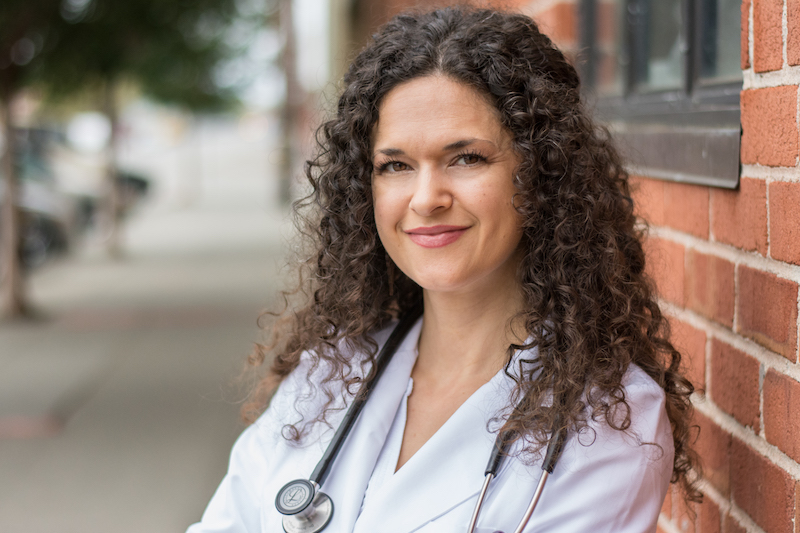
Dr. Jolene Brighten
I'm a board-certified naturopathic endocrinologist and the author of Beyond the Pill and Is This Normal?. For the parts of this that sit outside my scope — surgical decision-making and nerve pain — I brought in an excision surgeon and a neuropelveologist rather than speaking for them.

Start the moment you enroll
- The full six-week program and all its resources
- The pattern quiz, symptom assessment, and flare mapping tools
- Both specialist Q&A sessions
- The pelvic floor guide and the 10-minute meal guide
- 14-day money-back guarantee, no questions asked
$297One payment · Instant access
Checkout is on drbrightenessentials.com. Digital program — nothing ships.
14 days, no questions asked
If it isn't right for you, email us within 14 days of your purchase and we'll refund you in full. You don't have to explain yourself or prove you tried.
How it runs
- Start date
- As soon as you enroll. There's no cohort and nothing to wait for.
- Length
- Six weeks of material, worked through at your own pace.
- Format
- Video instruction, written resources, and quizzes. Entirely digital, nothing live and nothing shipped.
- Access
- One year from your date of purchase.
- Community
- None. This program has no group or forum component.
Answered
Who is this program for?
Women diagnosed with endometriosis or who strongly suspect it, dealing with pelvic pain, inflammation, fatigue, or painful periods, and who want a structured plan rather than more contradictory advice.
Will this help if I've already had surgery?
Many women who've had excision surgery still have symptoms. This works on the factors that can still influence them afterwards: inflammation, gut health, hormone clearance, stress physiology, and pain signaling.
Can I do this while waiting for surgery?
Yes, and it may help you go in better supported. Talk to your surgeon about any nutrition, supplement, or lifestyle changes before you make them.
Will this help if I've already tried diets and supplements?
Most women here have. The difference is sequence and pattern — working out which drivers apply to you before choosing what to change, rather than trying things in the order you happened to read about them.
Will I have to follow a strict diet?
No. No extreme elimination protocols. The nutrition work is anti-inflammatory principles built to be sustainable, because a plan you abandon isn't worth much.
What if I don't know my triggers yet?
That's the normal starting point, and it's what week one is for. The symptom questionnaires and flare mapping exist precisely because most people can't answer this at the outset.
What if I'm trying to conceive?
Endometriosis and fertility are closely connected, which is why there's a full session with excision surgeon Dr. Ram Cabrera on exactly that. Stay under the care of your own fertility team alongside it.
What if my pain seems nerve-related?
There's a session with neuropelveologist Dr. Ana Sierra on how nerve pain develops and what specialists do about it. Week six also covers central sensitization directly.
How long do I have access?
One year from your date of purchase. You can move at your own pace within that.
This program is educational and is not a substitute for individual medical care. Purchasing it does not create a doctor-patient relationship. It does not diagnose, treat, cure, or prevent endometriosis or any other disease, and it is not a replacement for surgical or medical management. Individual results vary. Talk with your own clinician before changing your nutrition, supplements, or medication, particularly if you are awaiting or recovering from surgery.